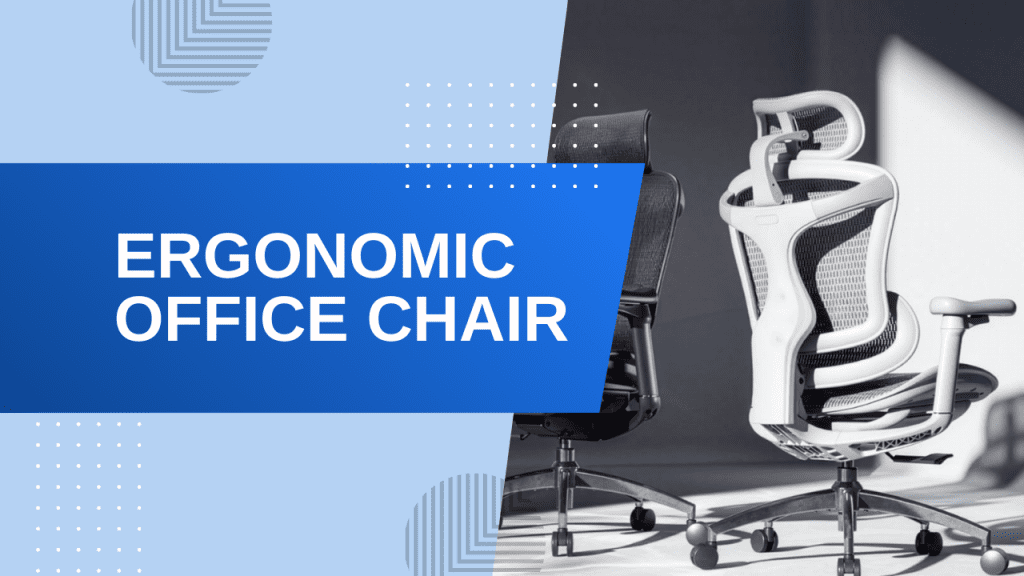
If you’re looking for the best ergonomic office chairs, you’re probably dealing with back pain, stiffness, or general discomfort from sitting all day. When you spend 6–10 hours at a desk, the wrong chair can quietly wear down your body, while the right one can dramatically improve how you feel during and after work.
I learned this the hard way. I thought my cheap office chair was “good enough” until it started wrecking my lower back and shoulders. The moment I switched to a real ergonomic chair, the difference was immediate—less shifting, fewer breaks, and far less pain.
In this guide, I’ll break down the 7 best ergonomic office chairs of 2026, what actually matters when choosing one, and how to find a chair that fits your body and your budget. If you’re done putting up with discomfort, you’re in the right place. absolutely in the right place. Let’s fix that chair situation once and for all. For options that won’t break the bank, see our guide to the best ergonomic chair under $300.
Our Top Picks
- Best Overall Ergonomic Office Chair: Steelcase Leap
- Best Budget Ergonomic Office Chair: SIHOO M18
- Best Chair for Back Pain Relief: Herman Miller Aeron
- Best Ergonomic Chair for Tall People: Steelcase Gesture
- Best Ergonomic Chair for Short People: Herman Miller Aeron
- Best Premium Ergonomic Office Chair: Steelcase Leap
- Best Mesh / Hybrid Option: FlexiSpot C7 Ergonomic Chair
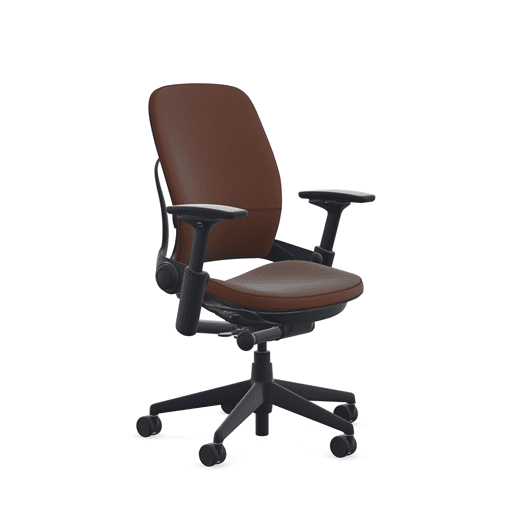
1️⃣. Steelcase Leap – Best Overall Ergonomic Office Chair
Quick Verdict: A top-tier ergonomic office chair that adapts to your body automatically, making it one of the safest and smartest long-term investments for daily office use.
Key Ergonomic Highlights: LiveBack™ technology that moves with your spine, fully adjustable lumbar tension and seat depth, highly customizable armrests (4D), designed for 8–10+ hour sitting sessions.
Comfort & Fit: Ideal height range, pressure-free seat edge, excellent lower-back support without rigidity.
Build Quality & Materials: Heavy-duty frame, premium upholstery options, built for 10+ years of daily use.
- Exceptional lumbar and spinal support
- High adjustability for most body types
- Durable and long-lasting
- Premium price point
- Design is functional, not flashy
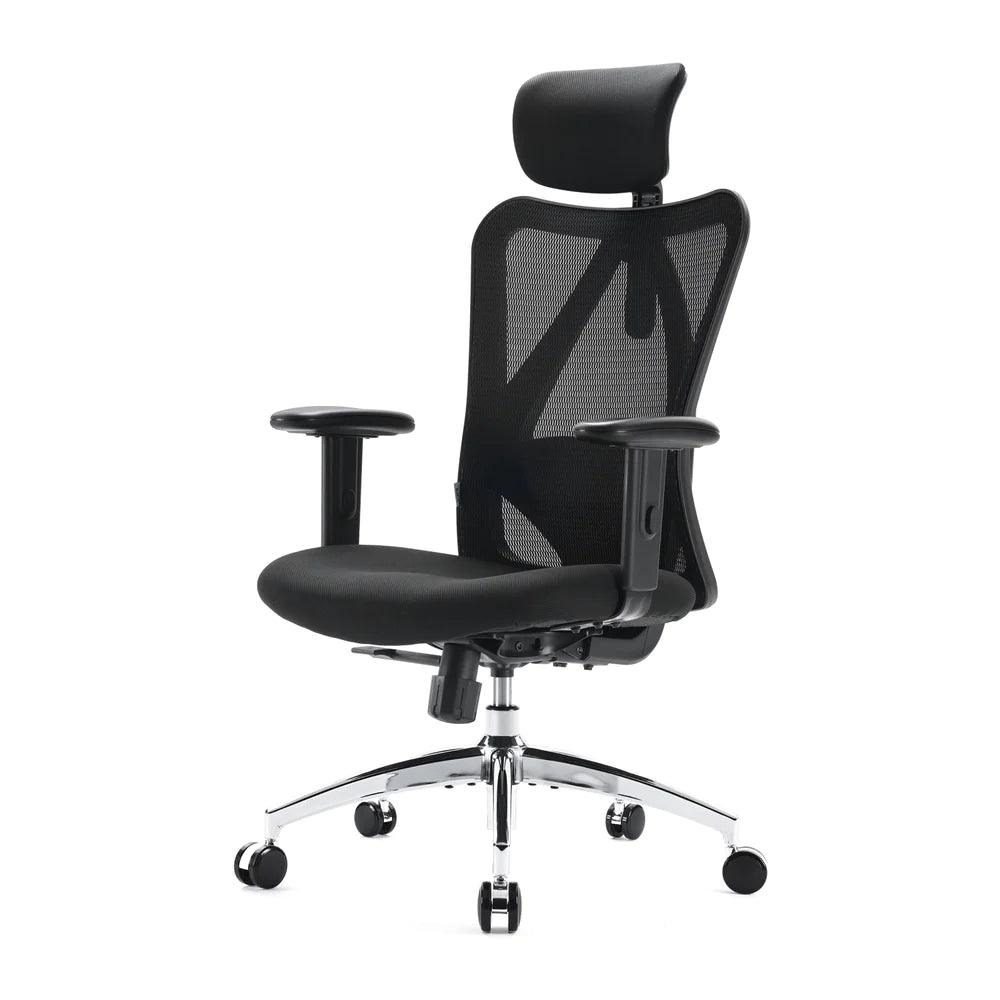
2️⃣. SIHOO M18 – Best Budget Ergonomic Office Chair
Quick Verdict: An excellent low-cost ergonomic office chair that covers the essentials without sacrificing posture support.
Key Ergonomic Highlights: Adjustable lumbar support, breathable mesh back, headrest included, basic tilt and height controls.
Comfort & Fit: Best for average-height users, supportive for 6–8 hour workdays.
Build Quality & Materials: Lightweight frame, mesh-focused design for airflow.
- Very affordable
- Solid ergonomic basics
- Easy to assemble
- Limited adjustability
- Not ideal for extended 10+ hour sessions
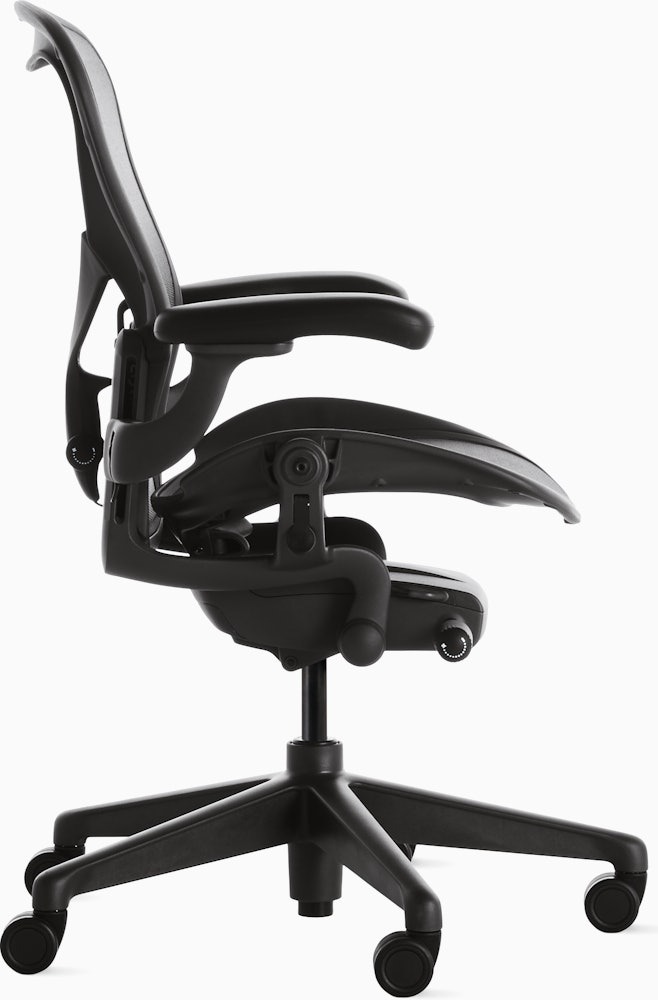
3️⃣. Herman Miller Aeron – Best Chair for Back Pain Relief
Quick Verdict: A legendary ergonomic chair designed to reduce spinal pressure and promote healthy posture through advanced mesh support.
Key Ergonomic Highlights: PostureFit SL lumbar system, pellicle mesh for even weight distribution, multiple size options for precise fit.
Comfort & Fit: Excellent lumbar alignment, no pressure points on hips or thighs.
Build Quality & Materials: Industrial-grade mesh, built to last decades.
- Outstanding for lower back pain
- Breathable and temperature-neutral
- Iconic ergonomic design
- Expensive
- Minimal padding feel (mesh-only)
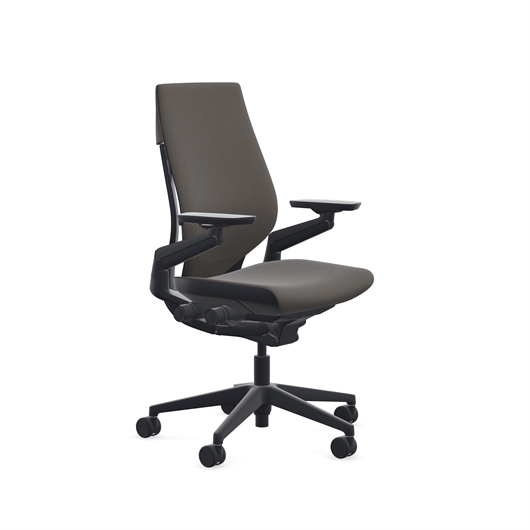
4️⃣. Steelcase Gesture – Best Ergonomic Chair for Tall People
Quick Verdict: Designed for modern workstyles, this chair supports larger body frames and dynamic sitting positions.
Key Ergonomic Highlights: Wide seat and tall backrest, industry-leading arm movement range, adaptive lumbar support.
Comfort & Fit: Ideal for tall users, accommodates frequent posture changes.
Build Quality & Materials: Premium Steelcase construction, extremely durable components.
- Excellent for tall users
- Armrests adapt to any task
- Great for long sessions
- High price
- Takes time to dial in adjustments
5️⃣. Herman Miller Aeron (Size A) – Best Ergonomic Chair for Short People
Quick Verdict: When properly sized, this chair delivers exceptional ergonomic alignment for smaller body types.
Key Ergonomic Highlights: Multiple size options (A/B/C), adjustable PostureFit support, breathable mesh seating.
Comfort & Fit: Excellent seat depth for shorter legs, maintains proper lumbar curve.
- Tailored sizing
- Excellent posture support
- Breathable and durable
- Expensive
- Must choose correct size
6️⃣. Steelcase Leap (Fully Loaded) – Best Premium Ergonomic Office Chair
Why It’s Premium: Maximum configuration options, best-in-class ergonomics, long-term durability.
Quick Verdict: The fully loaded version of our best overall pick offers ultimate customization and long-term value for serious professionals.
Key Ergonomic Highlights: LiveBack™ technology, fully adjustable everything, premium upholstery choices, maximum comfort customization.
ROI: Built to last 10+ years with daily use, making it a smart long-term investment for your health and productivity.
- Maximum adjustability
- Best-in-class build quality
- Exceptional long-term value
- Very high price point
- May be overkill for casual users
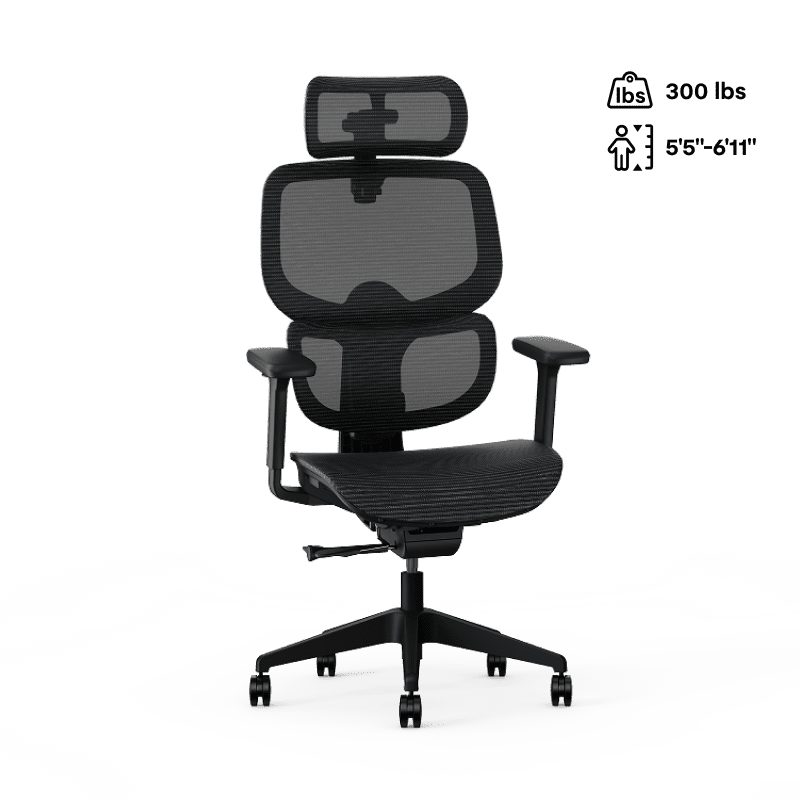
7️⃣. FlexiSpot C7 Ergonomic Chair – Best Mesh / Hybrid Option
Quick Verdict: A breathable ergonomic office chair that blends mesh airflow with enough cushioning for comfort.
Key Ergonomic Highlights: Mesh back with padded seat, adjustable lumbar and headrest, smooth recline system.
Comfort & Fit: Great airflow for hot climates, supportive cushioning for 8-hour days, good mid-range adjustability.
Value Proposition: Offers premium features at a more accessible price point than luxury brands.
- Great airflow
- Affordable mid-range option
- Good hybrid design
- Not as refined as premium brands
- Limited long-term durability data
What to Look for in the Best Ergonomic Office Chair
I’ll be honest—when I bought my first “ergonomic” office chair years ago, I didn’t have a clue what any of the features meant. I just saw the word “ergonomic,” assumed it meant “good for your back,” and hit checkout. Big mistake. The chair basically felt like sitting on a stubborn shopping cart. That’s when I realized you really need to understand the specific features that matter, especially with all the new 2026 upgrades brands are pushing.
Let’s break down what actually counts.
Ergonomic Chair Comparison
| Feature | Steelcase Leap | Herman Miller Aeron | FlexiSpot C7 | SIHOO M18 | Steelcase Gesture |
|---|---|---|---|---|---|
| Weight Capacity | 400 lbs | 350 lbs | 350 lbs (mesh) | 330 lbs | 400 lbs |
| Warranty | 12 years | 12 years | 10 years | 3 years | 12 years |
| Lumbar Support | LiveBack, adjustable height & firmness | PostureFit SL, adjustable | Self-adaptive, 5-position height | Dual-adjustable | 3D LiveBack, height-adjustable |
| Armrests | 4D adjustable | Fully adjustable | 3D adjustable | 2D adjustable | 360° adjustable |
| Recline Range | Full manual, 4 angle settings | Tilt limiter & seat angle | 90°-130° | Up to 126° | Full manual, 3 angle settings |
| Seat Height Range | 15.5″-20.5″ | Size B: 16″-20.5″ | 16.5″-20.1″ | 44″-51″ (total height) | N/A |
| Seat Depth | Adjustable | Fixed (size-based) | 17.3″-20.5″ adjustable | 17.91″ fixed | Flexible edges |
| Material | Mesh/fabric options | 8Z Pellicle mesh | Mesh or foam options | Mesh back, cushion seat | Mesh/fabric options |
| Best For | Overall, heavy sitters | Back pain, all sizes | Back pain, mid-range | Budget buyers | Tall people, premium |
Key Ergonomic Features That Matter Most (Lumbar, Seat Depth, Armrests)
The first thing I check now—before colors, before price, before anything—is the lumbar support. If the lumbar is fixed, I skip it. Adjustable lumbar is a lifesaver, especially if you deal with lower back tightness like I used to. The ergonomic chairs that help the most let you adjust both the height and the firmness of the lumbar, so it sits right in that natural curve of your spine instead of poking you like a stubborn rock.
Then there’s seat depth, which I completely ignored at first. Turns out, if your seat is too deep, your legs dangle slightly and your back slides forward. Too shallow, and your thighs don’t get support. Now I look for sliding seat pans because they let you customize how far back you sit.
And don’t get me started on armrests. If they only go up and down, it’s not enough. You want 3D or 4D armrests—height, depth, width, and pivot. I can’t even tell you how many shoulder aches disappeared once I finally got armrests that moved with me.
New 2026 Trends in Ergonomic Design
2026 has been interesting because chairs are becoming more “adaptive.” A lot of brands are adding dynamic lumbar systems, meaning the lumbar shifts with you as you lean or move. It sounds like marketing fluff, but after trying one at a showroom, I was shocked at how smooth it felt.
Another trend is hybrid mesh fabrics. These blend soft cushioning with breathable mesh, so you don’t get that stiff trampoline feeling cheaper mesh chairs have. Oh, and chairs are getting quieter—no more creaks every time you lean back like you’re in an old rocking chair.
Which Materials Last Longest
From my experience (and the number of chairs I’ve broken…), high-tension mesh lasts way longer than cheap cushion foam. Budget foam collapses in like 6 months, leaving a sad little dip where you sit. Not fun.
If you want cushioned seats, look for cold-cured foam or dual-density foam. They keep their shape and don’t flatten out. For frames, steel or reinforced nylon beats basic plastic all day.
Adjustability Ranges for Different Body Types
One thing I wish someone told me early on: chairs are not one-size-fits-all. If you’re tall, you need a higher gas lift and deeper seat. If you’re short, you need a seat that lowers enough so your feet actually touch the floor.
The best ergonomic chairs in 2026 list adjustability ranges clearly—seat height, seat depth, backrest height, armrest width, recline tension. I always cross-check those numbers now.
How to Compare Chairs Based on Your Daily Habits
Think about how you work. Are you someone who sits upright typing all day? You’ll want firmer lumbar and less recline. Do you lean back a lot during calls? Look for a smooth reclining mechanism with a tension dial. Sit for 8+ hours? Focus on breathability and seat pressure relief.
What helped me the most was imagining my actual workday and matching the chair to my real habits instead of the fantasy version where I’m always sitting perfectly upright. Spoiler: I’m not.
Conclusion
Finding the best ergonomic office chair in 2026 isn’t about picking the priciest option—it’s about picking a chair that actually works for you. Your body, your work habits, and how comfortable you feel matter way more than a fancy price tag.
With all the new features and design upgrades this year, there really is a chair for every shape, size, and budget. The key is to take what you’ve learned here, try a few options if you can, and settle on a chair that’ll support you day after day without nagging aches or discomfort.
And hey, if you’ve discovered a hidden gem of a chair that didn’t make this list, don’t keep it to yourself! Sharing your real-world experiences helps everyone create a healthier, happier home office setup. Your back will thank you.

David Park researches and reviews productivity software, AI tools, and automation workflows. He helps professionals work smarter by finding the tools that actually deliver results.